Sep 15, 2026Buying Guides
How to Choose a Garment Manufacturer in China: A Factory Audit Checklist
A practical audit checklist for brand owners and wholesale buyers: verify production workflow, quality control, sampling speed and private label capability before your first OEM or ODM order.
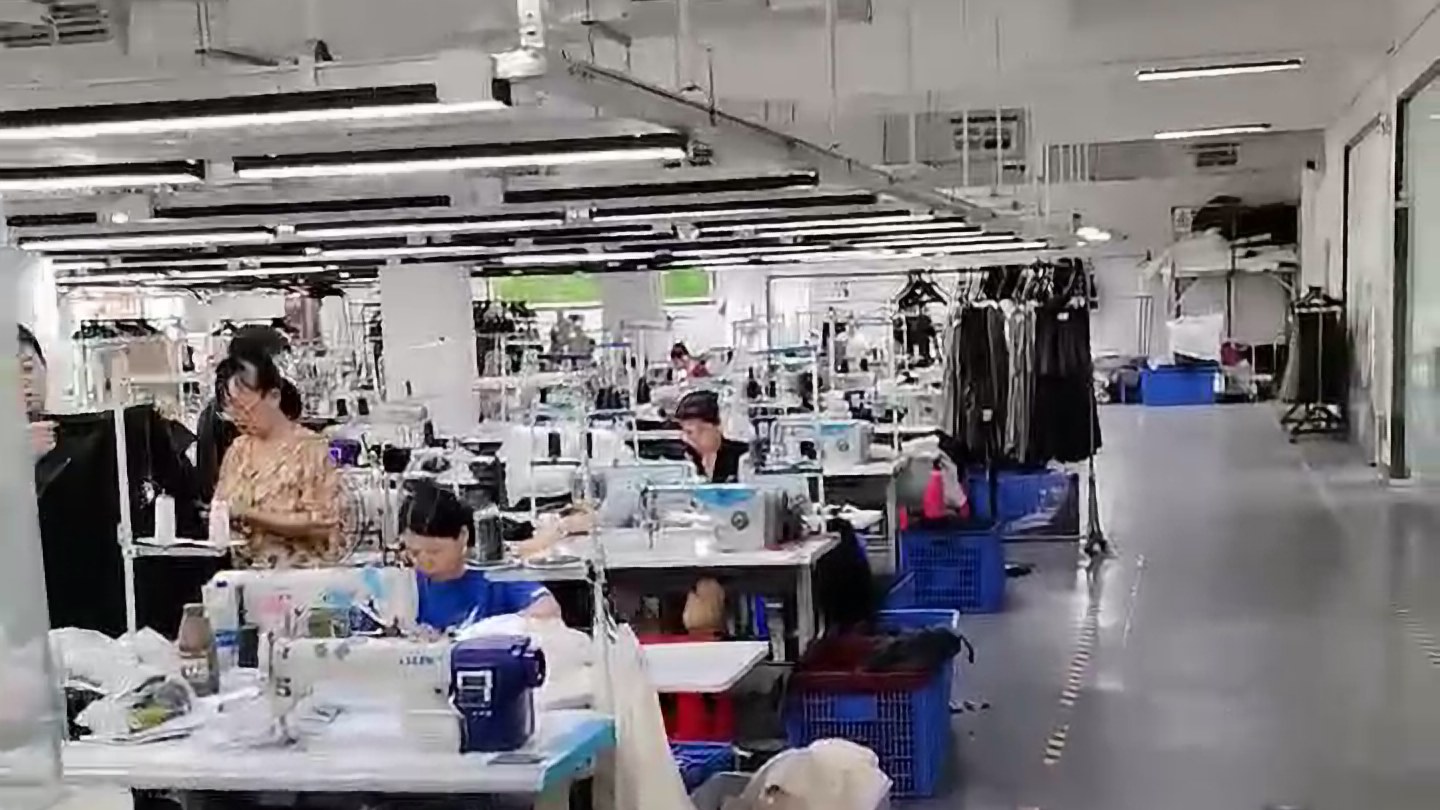
This checklist helps a brand founder, sourcing manager, or wholesale buyer verify whether a Chinese garment manufacturer can deliver a first OEM or ODM order. It fits teams shortlisting factories for woven, knit, or activewear styles and want evidence, not promises; it does not fit ready-made stock buyers or single copy-sew jobs. Working through the ten checks below produces a written audit result you can compare across factories, with clear stop conditions.
Why audits catch what quotations hide
A quotation confirms price, not capability. Costly first-order failures usually come from assumptions that were never checked: hidden subcontracting, missing inline inspection, outsourced trims. A structured video walkthrough, a sample-room review, and specific document checks expose those gaps early - converting each assumption into a verifiable observation before any deposit is paid.
The ten-point factory audit checklist
1. Business scope and export experience. Confirm the factory produces your category - for XinChengDa Garments that covers men's and women's apparel, woven garments, casual women's wear, and activewear - and serves export buyers such as designer brands and wholesale distributors.
2. In-house workflow. Ask who owns each step: fabric sourcing, pattern making, sampling, sewing, finishing, packaging. A complete in-house chain can be held accountable for the whole order.
3. Sample room. Ask to see recent physical samples in your category, not catalogue photos - developing samples from artwork or a physical sample is the exact skill your first order depends on.
4. Sampling speed. Confirm the window in writing - XinChengDa Garments delivers samples in 3-7 days from artwork or a physical sample; a factory that cannot state one should explain why.
5. Quality control. Ask where inspection happens - fabric intake, inline sewing, before packing - and whether third-party inspection is accepted, a strong signal the factory stands behind its process.
6. Private label. Confirm hang tags, woven labels, care labels, and custom packaging are supplied in-house rather than outsourced.
7. Customization depth. Check that fabric, color and finishing changes are supported, including washing, printing, and embroidery - most first orders change at least one of these.
8. Order-size flexibility. Ask how small trial orders are handled before scaling to mass production, and what changes when volumes grow.
9. Communication. Specific replies and questions that surface constraints during auditing predict cooperation during production.
10. Visit openness. A factory that welcomes visits and video walk-throughs is easier to verify than one that deflects; if travel is not possible, request a live video walkthrough of the sample room and sewing lines.
How a missing audit turns into rework
A founder shortlists a factory after a promising quotation. Unchecked workflow gaps surface late as re-sampling, re-negotiation, and waiting - and the launch slips into a mid-season supplier re-search. A short structured audit before the first order can end the same decision early.
When this checklist does not apply
Skip this path if you buy finished stock, need a single copy-sew sample, or decide on price alone. It verifies factory capability, not your design's manufacturability. For order-size strategy, see our guide to low-MOQ custom clothing for small brands.
Your next step
Run the ten checks against your shortlist and record the evidence for each line. Where a factory cannot evidence a capability, treat it as a stop condition. To audit XinChengDa Garments against this checklist, browse our product collections or contact us for a quotation and sample plan.