Sep 27, 2026Fabric & Materials
Fabric Selection Guide: Knit vs Woven vs Activewear Fabrics
How to choose the right fabric family for your next clothing style: knit, woven, or activewear technical fabric - matched to design, season and price point.
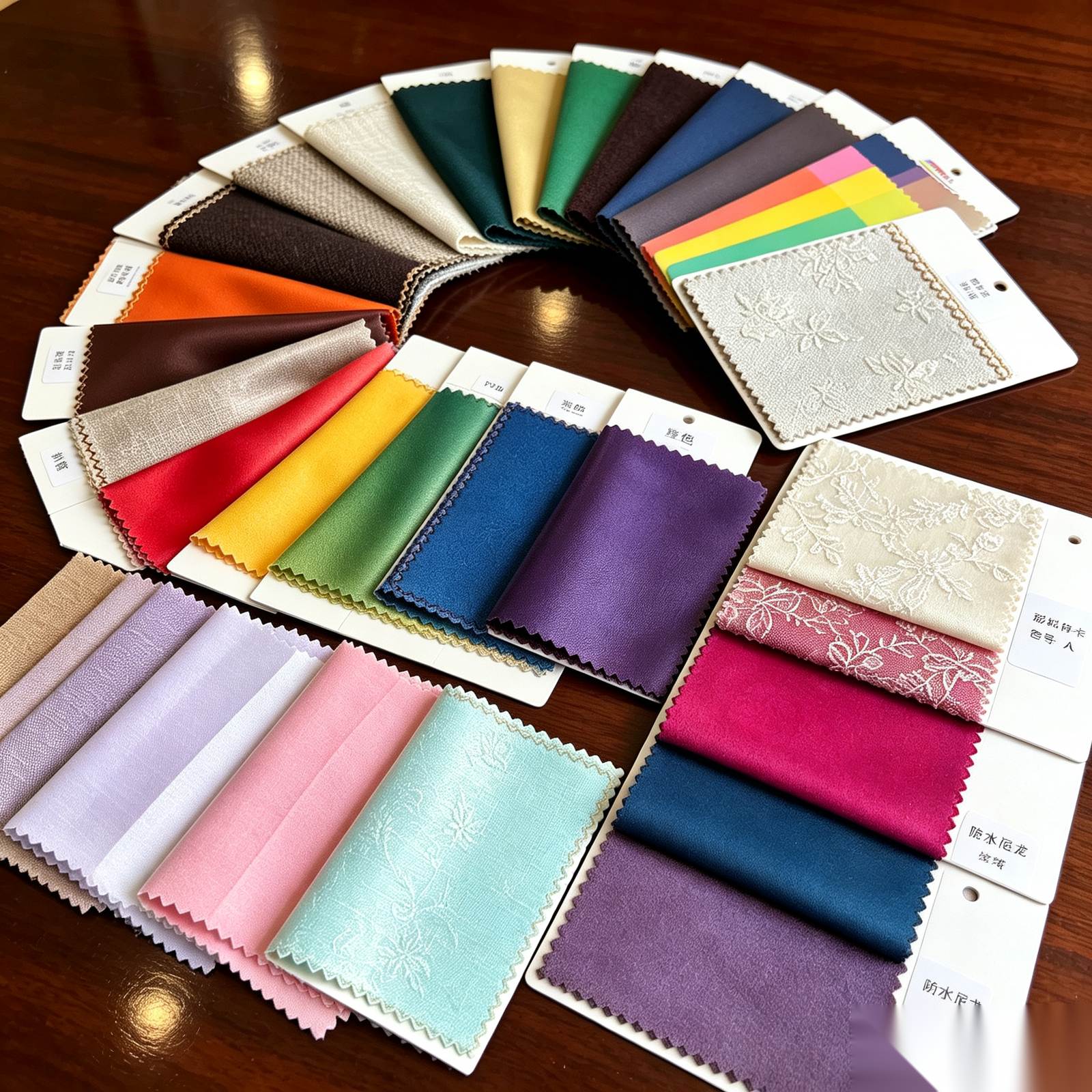
This guide helps a brand owner or product developer choose the right fabric family for their next clothing style: knit, woven, or activewear technical fabric. It fits teams planning OEM/ODM production who need to match fabric behavior to their design and target season. It does not cover stock-fabric liquidation or consumer-level fabric care. The output is a fabric direction you can put into a sampling brief with confidence.
Knit vs woven: structure decides behavior
Knit fabrics are built from interlocking loops, which gives them natural stretch and softness. Combed cotton jersey tees, draping knitted dresses, and pique mesh polos all belong here. Knits suit styles that move with the body: basics, dresses with shaping, and comfort-first pieces. In production, knits demand careful handling around seam stretch and shrinkage control.
Woven fabrics are built from crossed threads, which gives them structure and crispness. Cotton twill shirt dresses, Oxford shirts, chiffon blouses, linen shirts, and suit trousers are wovens. Wovens hold tailoring: collars, belts, wide-leg lines, and clean silhouettes. In production, wovens reward precise pattern work and pressing.
Matching the family to the design early prevents the most common sampling restart: a structured style cut in a knit (or a drapey style cut in a structured woven) fights the fabric at fit stage.
Activewear fabrics: stretch, wicking and durability
Activewear adds performance requirements on top of stretch: moisture management for training comfort, recovery so garments keep shape, and durability for repeated washing. Stretch activewear with moisture-wicking fabric is its own category in the XinChengDa Garments range and needs fabric selection aligned to the end use - training intensity, climate, and care expectations.
Custom fabric development
When stock fabrics do not match the target hand feel or performance, custom fabric development closes the gap. Custom fabrics, colors and craftsmanship are supported, so a sampling brief can state the target and let the factory propose options - samples within 3-7 days make it practical to compare two or three candidates before committing.
How to brief fabric choice
Put three things in your sampling package: the fabric family you intend (knit, woven, or activewear), the hand feel and weight you expect, and the season or market the style targets. The factory's fabric sourcing team proposes candidates, the first sample confirms the hand feel on body, and the pre-production sample freezes the choice for bulk.
Your next step
Write the fabric direction into your next sampling brief and let the sample confirm it. Have custom apparel demands? Contact us for a quotation and sample plan.