Sep 15, 2026Manufacturing Process
Garment Sampling Process: From Tech Pack to 3-7 Day Samples
Sampling decides whether OEM/ODM projects succeed. The workflow from tech pack to an approved pre-production sample: pattern making, fabric sourcing, fit rounds, and 3-7 day sampling.
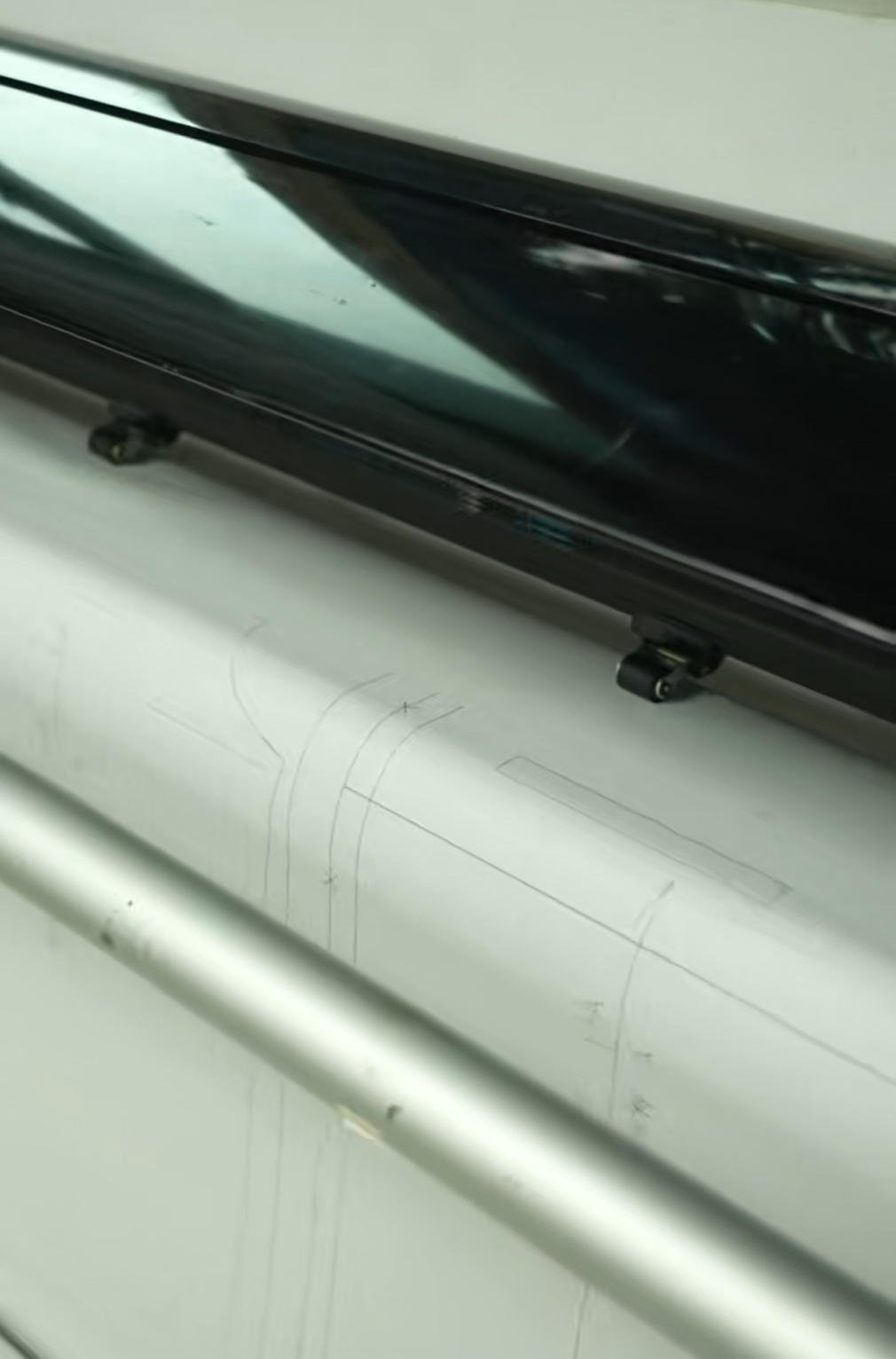
This article walks a brand owner or product developer through garment sampling: the steps between your tech pack or reference garment and a sample approved for production. It fits teams preparing their first OEM or ODM styles with a Chinese factory. It does not cover stock-goods purchasing, where no sampling is involved. The output is an approved pre-production sample - the physical standard your bulk order will be measured against - plus a realistic view of how long each round takes.
What sampling actually verifies
A sample is not a preview; it is a series of decisions made physical. The fit confirms the pattern. The hand feel confirms the fabric. The stitching confirms the construction. The trims confirm the private label setup. When any of these are wrong, the error is cheapest to fix at sample stage - which is why experienced buyers judge a factory by how it handles revisions, not by how fast it produces the first attempt.
Sampling from artwork or a physical sample requires an in-house chain: pattern making, fabric sourcing, sample sewing, and finishing under one roof. XinChengDa Garments develops samples within 3-7 days from your artwork or physical sample because these steps are internal - the same workflow that later runs your bulk production.
The sampling workflow step by step
1. Inputs. You provide a tech pack, a design with measurements, or a physical reference sample. The more precise the inputs, the fewer revision rounds - include fabric expectations, sizing, and construction notes where you can.
2. Pattern making. The factory's pattern team translates your design into the templates that control fit and sizing. This is the foundation every later round inherits, so review the first sample's fit carefully and give consolidated comments.
3. Fabric sourcing. The factory proposes fabrics matching your target hand feel, weight, and budget - for example combed cotton for basics, chiffon or Tencel for women's styles, or high-stretch denim. Confirm the fabric before the sample is sewn, because fabric changes restart fit evaluation.
4. Sample development and revision. The first sample is sewn and inspected against your comments. Expect one or two fit or construction rounds on new styles; each round is faster when feedback is specific ('waist 1 cm higher') rather than general ('fit feels off').
5. Pre-production sample. The final sample confirms the exact fabric, trims, stitching, and finishing - including any washing, printing, or embroidery - that bulk will use. Approving this sample is the green light for production.
6. Handover to bulk. The approved sample stays with the production line as the inspection reference at fabric intake, inline sewing checks, and final quality control before packing.
Why vague sampling requests cost weeks
A product developer requests 'a sample of this dress' without fabric or measurement inputs. The factory pattern team interprets the design, chooses a reasonable fabric, and sews a first attempt. The sample arrives close but wrong in fabric and fit, so the developer re-sends comments piecemeal - one note per round. Each cycle resets part of the workflow, and the calendar quietly absorbs the delays. One complete input package plus consolidated comments per round keeps the same project inside a 3-7 day sampling rhythm.
What fast sampling cannot skip
Speed compresses waiting, not verification. A 3-7 day sample window assumes inputs are complete and revisions are consolidated; it does not remove fabric approval, fit confirmation, or pre-production sign-off. If a style needs custom-developed fabric or complex finishing such as garment washing or embroidery, those steps set their own lead times and should be scheduled, not rushed. Skipping the pre-production sample to save days risks the entire bulk order - the opposite trade.
Your next step
Assemble your sampling package - design or reference, fabric direction, measurements, and the private label trims you expect - and send it as one brief. Review each sample round with consolidated comments, and approve the pre-production sample only when it matches what bulk must deliver. Have custom apparel demands? Contact us for a quotation and sample plan.